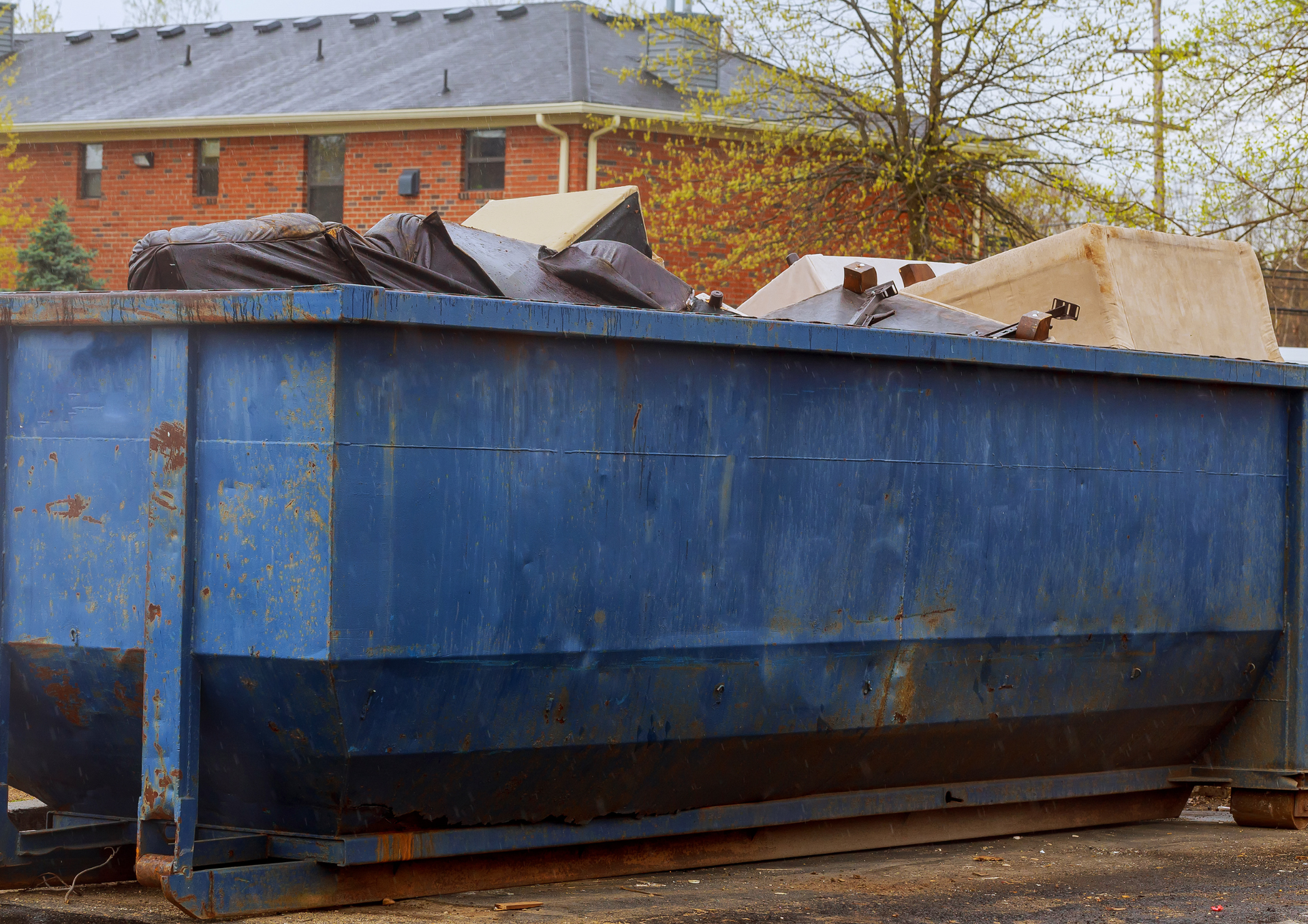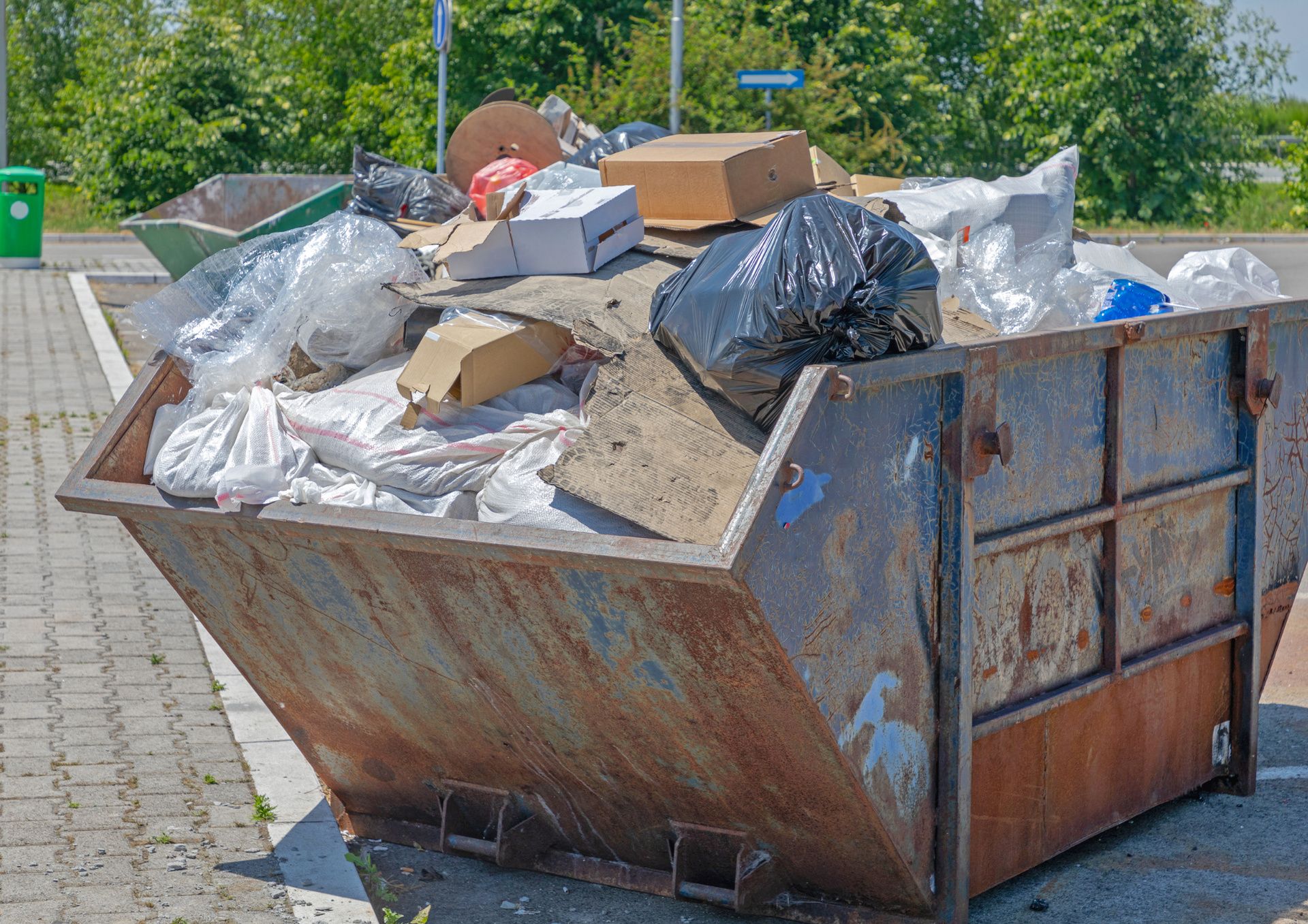

Choosing Skips for House Clearances and Household Waste Removal
Clearing a property can be a demanding task, particularly when large quantities of unwanted furniture, household belongings and general waste need to be removed within a limited timeframe. Whether preparing a home for renovation, managing an end-of-tenancy clearance or organising the contents of an inherited property, having a practical waste removal plan can make the process considerably easier.
Using skips provides a convenient way to collect unwanted materials in one designated location rather than allowing rubbish to accumulate throughout the property. This approach helps maintain accessible working areas, supports better organisation and reduces the need for repeated journeys to waste disposal facilities.
For homeowners, landlords, surveyors and local authorities, effective waste management is particularly important when dealing with properties that require substantial clearance work. Residential properties may contain old furniture, damaged fittings, packaging and accumulated household belongings, while commercial premises can generate additional waste during refurbishment or changes in occupancy.
Planning the clearance carefully allows those responsible for the property to assess the volume of waste, identify materials requiring separate disposal and establish suitable collection arrangements. It also helps prevent unnecessary disruption to neighbours, contractors and other people using the surrounding area.
Understanding Different Types of Household Clearance Waste
Household clearances often involve several categories of unwanted materials, each requiring appropriate handling and disposal. Identifying these materials before work begins helps determine the most suitable waste removal arrangements while reducing unnecessary complications during the project.
Different properties also produce different quantities of waste. A small flat clearance may involve only a few bulky items, while a large family home or neglected rental property can contain substantial amounts of furniture, fixtures and general household rubbish.
General Household Waste
- Unwanted household belongings, damaged storage containers and everyday rubbish can accumulate over many years.
- Clearing cupboards, lofts, spare rooms and garages often reveals materials that are no longer useful.
- Sorting items before disposal helps identify belongings suitable for donation, reuse or recycling.
- Keeping general waste in a designated area makes the clearance easier to organise.
Furniture and Bulky Items
- Old wardrobes, tables, chairs and dismantled furniture can occupy considerable space during a clearance.
- Larger items should be assessed before disposal to determine whether dismantling is practical and safe.
- Reusable furniture may be suitable for donation or collection by local reuse organisations.
- Bulky waste should be loaded carefully to make effective use of the available container capacity.
Garden and Outdoor Waste
- Garden clearances may produce branches, hedge cuttings, leaves, soil and unwanted outdoor materials.
- Broken fencing, damaged garden furniture and dismantled sheds can increase the amount requiring removal.
- Separating green waste from other materials may improve recycling opportunities.
- Heavy materials such as soil and rubble require particular attention to weight restrictions.
Renovation and Property Maintenance Waste
- Home improvements frequently generate timber, old flooring, tiles, plasterboard and packaging.
- Removing unwanted fixtures before renovation begins helps create a more accessible working environment.
- Some construction materials require separate disposal arrangements, depending on the provider's acceptance rules.
- Planning waste removal alongside the renovation schedule can prevent materials from obstructing ongoing work.
Items Requiring Separate Disposal
Not every household item can be placed in a standard waste container. Electrical equipment, batteries, paint, chemicals, gas cylinders and certain other materials may require specialist collection or designated recycling facilities.
Customers arranging skip hire should confirm which materials are accepted before loading begins. Understanding these restrictions helps prevent unsuitable waste from being mixed with general household rubbish and supports responsible disposal.
Careful sorting also makes it easier to identify belongings that can be reused rather than discarded. This is particularly valuable during larger property clearances where useful furniture, appliances or household items may otherwise be overlooked.
Planning a House Clearance for Better Organisation and Efficiency
A successful house clearance begins with a realistic understanding of the work involved. Rather than removing everything without a clear plan, it is usually more effective to assess the property room by room and establish which materials need to be retained, donated, recycled or discarded.
This approach is particularly helpful when clearing a property that has been occupied for many years. Loft spaces, cupboards, garages and outbuildings can contain forgotten belongings that increase the expected volume of waste. Completing an initial assessment allows those managing the clearance to allocate sufficient time and resources.
Homeowners preparing to move may prefer to clear unnecessary belongings gradually before packing. Removing unwanted items early can reduce clutter and make the remaining possessions easier to organise. For landlords, a structured approach can help prepare rental accommodation for cleaning, repairs or future occupancy.
Surveyors and property managers may also need to consider whether accumulated waste restricts access to particular areas. Removing obstructions can make subsequent inspections and maintenance work more straightforward, although any potentially unsafe conditions should be assessed before clearance activities begin.
When comparing different skip sizes, customers should consider both the physical volume of unwanted materials and their approximate weight. Smaller containers may be sufficient for limited household clearances, while larger options can accommodate substantial quantities of bulky rubbish. However, heavy materials may require a smaller container because of loading restrictions.
Access to the property is another important consideration. Narrow driveways, parked vehicles, low branches and restricted roads can affect where a container can be delivered. Discussing these conditions before booking allows the provider to assess whether the intended location is suitable.
If placement on a public road is necessary, permission from the relevant local authority may be required. In Blackburn, customers should check the applicable arrangements with Blackburn with Darwen Borough Council or their chosen provider before delivery. Requirements can vary elsewhere, so confirming the rules for the specific location is essential.
The duration of the clearance should also be considered. A small domestic project may be completed over a weekend, whereas a larger property clearance involving several rooms could take considerably longer. Allowing sufficient time for sorting and loading helps prevent rushed decisions and unnecessary extensions.
Good organisation also includes protecting access routes throughout the property. Hallways, doorways and entrances should remain clear so belongings can be moved without unnecessary difficulty. Heavy furniture should be handled with suitable assistance, particularly when stairs or confined spaces are involved.
Finally, it is worth considering what happens after the waste has been removed. Cleaning, minor repairs, decorating and property inspections may all follow the clearance. Coordinating collection with these activities helps ensure the property is ready for its next intended use without avoidable delays.
Choosing Suitable Waste Containers for Different Clearance Projects
Selecting the appropriate container is an important part of managing a clearance efficiently. The amount of waste, available space, material weight and expected project duration all influence which option is most practical.
Understanding common capacities can help customers make informed decisions before arranging delivery. Actual dimensions and permitted loads vary between providers, so confirming the specifications remains important.
Small Household Clearances
- A 2-yard container may be suitable for limited decluttering, small garden projects or the removal of modest quantities of household rubbish.
- Compact options are useful where available space is restricted.
- They can also be appropriate for certain heavy materials, subject to the provider's loading limits.
- Smaller clearances benefit from estimating waste quantities before booking to avoid insufficient capacity.
Medium-Sized Property Clearances
- A 4-yard container is often considered for bathroom refurbishments, garage clearances and smaller property improvement projects.
- A 6-yard option may provide additional space for general household waste and renovation debris.
- These capacities can be practical when several rooms require clearing.
- Customers should consider whether bulky furniture will occupy more space than expected.
Larger Residential Clearances
- An 8-yard container may suit substantial household clearances and renovation projects involving larger waste volumes.
- A 10-yard option may be appropriate for lighter, bulkier materials where permitted.
- Larger containers require sufficient space for delivery, loading and collection.
- Weight restrictions should always be checked, particularly when disposing of construction materials.
Commercial and Managed Properties
- Larger containers may be useful for office clearances, commercial refurbishments and extensive property maintenance.
- Landlords managing several properties may benefit from coordinating waste removal with planned maintenance schedules.
- Local authorities and property managers should consider access requirements, collection arrangements and appropriate waste segregation.
- Choosing capacity based on the actual project requirements helps maintain an organised working environment.
Selecting the Right Container
Customers considering a rubbish skip should assess the amount of waste likely to be produced rather than choosing solely on the size of the property. A large home with relatively few unwanted belongings may require less capacity than a smaller property undergoing extensive refurbishment.
The nature of the materials is equally important. Lightweight furniture and packaging occupy space differently from bricks, soil or concrete. Heavy waste can reach permitted weight limits before the container appears full.
Before booking, customers should also confirm whether different materials can be mixed, whether specific items require separate collection and whether there are restrictions on filling above the container's sides. Making these checks in advance supports efficient loading and helps avoid difficulties when the waste is collected.
How Professional Waste Removal Supports Property Management
Effective waste disposal is an important part of maintaining residential and commercial properties. Whether managing a one-off clearance or coordinating ongoing maintenance, dependable collection arrangements help keep buildings accessible, organised and ready for their intended use.
For homeowners, professional waste removal can simplify demanding projects such as moving houses, renovating living spaces or clearing accumulated belongings. Having a designated location for unwanted materials reduces clutter and makes it easier to separate items that will be retained from those requiring disposal.
Landlords often face different challenges. End-of-tenancy clearances may need to be completed before cleaning, repairs and inspections can take place. Unwanted furniture, abandoned belongings and general household rubbish can delay these activities if suitable arrangements have not been made.
Before removing items left by former occupants, landlords should establish their legal responsibilities and follow the appropriate procedures. This helps ensure that property clearance activities are carried out responsibly.
Surveyors may encounter properties where accumulated waste restricts access to structural elements, service areas or external spaces. Although waste removal is not always part of the inspection itself, identifying clearance requirements can support subsequent maintenance and property management decisions.
Local authorities and organisations responsible for multiple buildings may need coordinated arrangements that account for access, public safety and operational schedules. Clear communication between property managers, contractors and waste providers helps reduce disruption.
Professional skip services can support these requirements by providing practical delivery and collection arrangements suited to different types of property. Customers should look for providers that explain accepted waste materials, hire periods, collection procedures and relevant charges before confirming a booking.
Responsible disposal is another essential consideration. Waste should be transferred through appropriate channels, with recyclable materials recovered where practical. In England, customers can check a waste carrier's registration with the Environment Agency and retain relevant documentation where required.
The condition of the surrounding area should also be considered. Containers should be positioned where they do not unnecessarily obstruct entrances, pedestrian routes or access for other vehicles. Where public land is involved, the appropriate permission must be obtained.
Communication remains valuable throughout the hire period. If a clearance produces more waste than anticipated or the project schedule changes, contacting the provider early can help identify suitable alternatives.
Ultimately, effective property management depends on planning waste removal as part of the wider project rather than treating it as an afterthought. Clear arrangements, suitable capacity and responsible handling contribute to a more organised experience for everyone involved.
House clearances can involve considerable planning, particularly when properties contain large quantities of unwanted belongings, bulky furniture and accumulated waste. Taking a structured approach makes the process easier to manage while helping homeowners, landlords, surveyors and local authorities maintain accessible and organised spaces.
Choosing suitable skips is an important part of this preparation. The correct capacity helps accommodate the expected waste volume, while careful consideration of material types and weight restrictions reduces the likelihood of problems during loading and collection.
Sorting belongings before disposal can also make a meaningful difference. Items suitable for reuse or recycling should be identified where practical, while materials requiring specialist handling should be kept separate from general household rubbish.
Property access, delivery arrangements and collection schedules deserve equal attention. Confirming these details before work begins allows the clearance to progress more efficiently and helps minimise disruption to neighbouring properties and ongoing activities.
For larger residential and commercial projects, coordination between property owners, contractors and waste providers is particularly valuable. Establishing responsibilities and realistic timescales supports a smoother process from initial preparation through to final collection.
Whether clearing a single room, preparing rental accommodation for new occupants or managing a substantial property refurbishment, effective waste removal begins with understanding the project's requirements. With suitable planning and responsible disposal arrangements, even a demanding clearance can become a more straightforward and manageable task.
Skip Hire Blackburn provides a practical starting point for homeowners, landlords, surveyors, local authorities and businesses seeking dependable waste removal solutions for residential and commercial properties throughout Blackburn and the surrounding areas.
We understand that every clearance project has different requirements. Removing unwanted belongings from a family home, preparing a rental property for new occupants or managing waste during a commercial refurbishment can involve different volumes of materials, access conditions and collection schedules.
Our approach focuses on helping customers understand their options and make informed decisions before arranging a service. We aim to provide clear guidance about suitable skips, container capacities, delivery considerations, acceptable waste materials and collection arrangements without introducing unnecessary complexity.
We also recognise the importance of straightforward communication. Customers should feel confident discussing their requirements, asking questions and understanding the practical considerations involved in organising waste removal.
Whether planning a small household clearance or a larger property improvement project, our website offers useful information to help visitors approach the process with greater clarity.
By focusing on practical advice, responsible waste management and the needs of local property owners, we aim to make the process of arranging waste removal more convenient and easier to understand.
Explore our website to learn more about available options and find a suitable approach for your next household clearance, renovation or commercial property project.
Check out our latest X update on choosing the right
skips for house clearances and managing household waste efficiently!
You might also like