
Skips for Light and Heavy Waste: Choosing the Right Disposal
Different projects generate very different types of waste, and understanding this distinction is essential for safe and efficient disposal. Light materials such as furniture, packaging, and general clutter behave very differently from dense waste like soil, bricks, and rubble. Skips provide a structured way to manage both, but correct planning is vital to avoid overloading, safety risks, or rejected collections.
Understanding Light Waste Characteristics
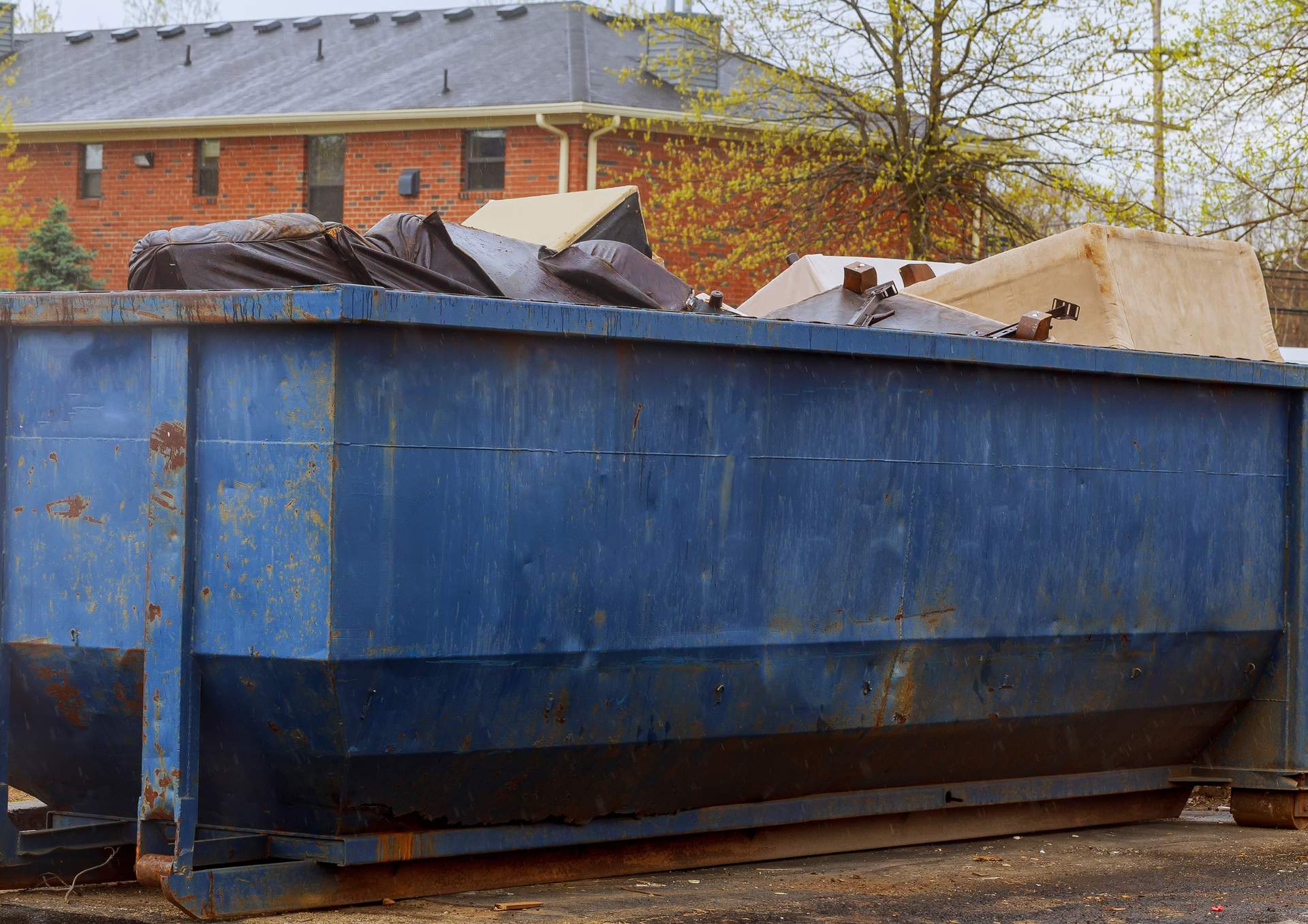
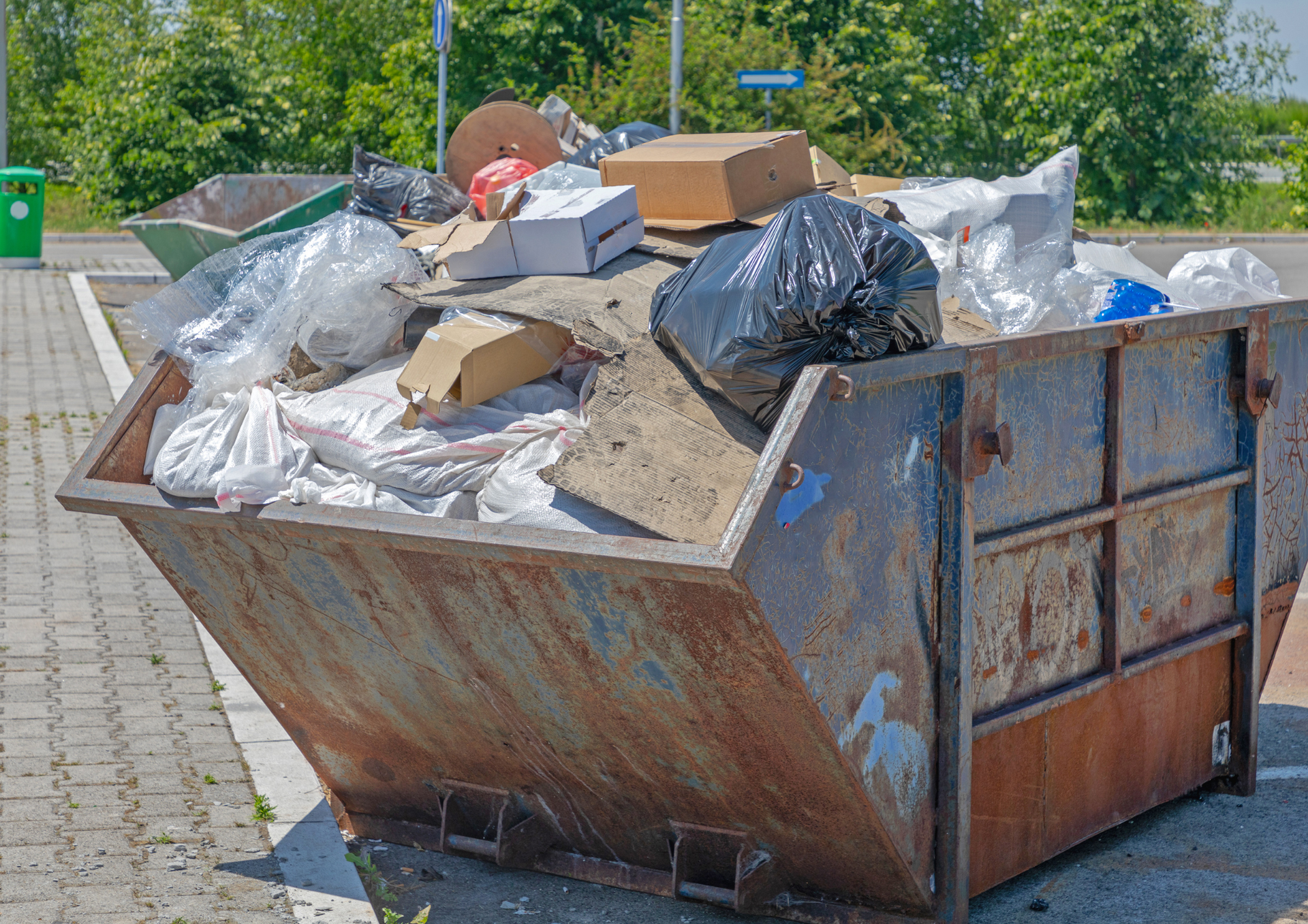
Light waste typically includes household items such as old furniture, cardboard, plastics, wood, and general mixed clutter. While these materials are not heavy individually, they often take up significant space, which is why skips are commonly used to contain them efficiently.
Because light waste fills volume quickly, careful planning is required to avoid running out of space before a project is complete. Choosing the right capacity allows bulky but lightweight materials to be contained efficiently without creating overflow or access issues on site.
Managing Heavy Waste Safely
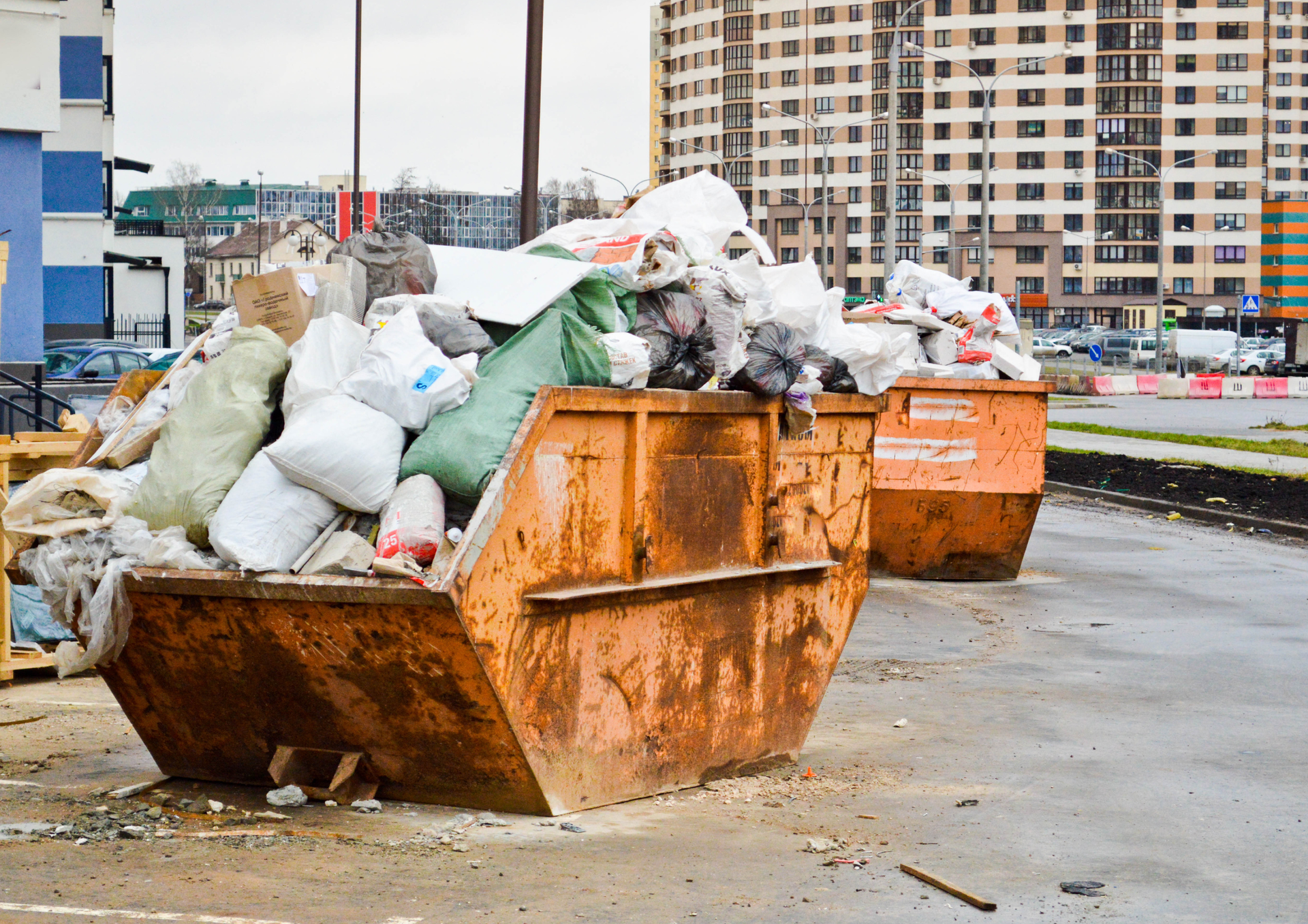
Heavy waste includes materials such as bricks, concrete, soil, tiles, and rubble. These materials may not fill much space, but they place significant strain on containers and lifting equipment if weight limits are exceeded.
When arranging disposal, it is important to assess the density of materials in advance. This is often the point at which people decide to order a skip, ensuring heavy waste can be handled safely and transported in line with legal weight restrictions.
Booking and Handling Mixed Waste Projects
Projects that produce both light and heavy waste need careful planning to ensure safe, efficient disposal.
- Renovations, landscaping work, and commercial clear-outs often generate a mix of light and heavy materials.
- Mixed waste requires extra consideration to balance available space with weight limits.
- Some customers prefer the convenience of arranging services digitally and choose to
skip online when coordinating waste removal.
- Digital booking helps align container selection, delivery, and collection with the specific waste profile of the project.
Responsible Processing and Compliance
Once collected, waste is taken to licensed facilities where it is sorted and processed. Recyclable materials are separated wherever possible, while remaining waste is handled in line with environmental regulations.
This process ensures skip's contents are treated responsibly, regardless of whether they are light, heavy, or mixed. Proper handling reduces landfill use, supports recycling, and ensures disposal remains compliant from collection through to final processing.
Light and heavy waste require different approaches, but both benefit from careful planning and appropriate disposal methods. By understanding waste characteristics and matching capacity correctly,
skips remain a reliable solution for managing a wide range of materials safely and efficiently. With the right preparation, waste removal can support smoother projects and responsible environmental outcomes.
Skip Hire Blackburn is designed to make waste management clear, dependable, and straightforward. Our platform connects customers with trusted providers who prioritise compliance, recycling, and clear communication. Whether you are handling light household waste or heavier materials from a larger project, we help you access reliable solutions that support efficient planning and responsible waste handling without unnecessary complexity.
New update on X: Skips for light and heavy waste – choosing the right disposal option!
You might also like