
Practical Roofing Waste and Renovation Material Skip Solutions UK
Roofing projects and property refurbishments often create large volumes of waste that require careful planning and organised removal. Broken tiles, timber, plasterboard, insulation, metal sheets, and packaging materials can quickly accumulate during both domestic and commercial work.
Without a structured approach to waste management, renovation areas may become difficult to navigate, potentially slowing progress and creating unnecessary disruption around the property. Homeowners, landlords, surveyors, and local authorities frequently oversee projects involving roof repairs, loft conversions, structural alterations, and full property modernisation.
Each project generates different types of waste, and understanding how to manage materials responsibly helps maintain cleaner working conditions throughout every stage of the work. Reliable waste containment also supports safer access routes around entrances, driveways, and surrounding outdoor areas.
Many contractors and property owners use skips during refurbishment work because they provide a practical method for containing bulky materials in one controlled location. Whether the work involves replacing roof coverings, removing damaged timber, or clearing outdated interior fittings, organised waste handling helps maintain efficiency from start to finish.
Understanding Roofing and Renovation Waste Requirements
Understanding the different types of roofing and renovation waste helps property owners and contractors organise projects more effectively. Many people choose to order a skip before work begins so materials can be separated and removed efficiently throughout the refurbishment process. Proper waste planning can improve site organisation while making disposal arrangements more manageable from start to finish.
- Common Roofing Waste Materials
- Slate and clay roof tiles
- Timber battens and wooden supports
- Damaged roofing felt and membranes
- Metal sheets, flashing, and fixings
- Broken guttering and roofing accessories
- Typical Renovation Waste
- Plasterboard and insulation materials
- Flooring, tiles, and old fittings
- Kitchen and bathroom removal waste
- Packaging materials and plastics
- General construction debris from refurbishment work
- Residential and Commercial Clearance Needs
- Household refurbishments often create mixed waste streams
- Loft conversions and extensions may generate bulky materials
- Commercial projects can involve office partitions and suspended ceilings
- Larger developments may produce significant quantities of timber and metal waste
- Benefits of Early Waste Planning
- Helps prevent waste from accumulating around the property
- Supports cleaner and safer working environments
- Allows materials to be removed progressively during the project
- Makes ongoing waste management more efficient from start to finish
Planning Waste Removal During Property Improvements
Effective waste management begins with understanding the expected volume of materials involved. Smaller roofing repairs may only generate limited debris, while full roof replacements and structural refurbishments can produce substantial quantities of waste over several days or weeks.
Estimating waste levels carefully allows projects to remain organised without unnecessary delays caused by overflowing containers or repeated collections. Accessibility also plays an important role during renovation planning.
Narrow driveways, restricted access points, shared entrances, and busy commercial locations may all influence how waste removal arrangements are organised. Positioning waste containers correctly can help reduce disruption while allowing contractors and occupants to move around the property more safely.
Some property owners now prefer to arrange waste services digitally because it offers flexibility during busy renovation schedules. The ability to skip online allows customers to organise collections, compare sizes, and coordinate delivery times more conveniently while managing wider refurbishment planning responsibilities.
Maintaining Safer and More Organised Working Areas
Construction and roofing materials can create significant obstruction when left unmanaged for extended periods. Loose timber, broken tiles, exposed nails, and heavy rubble may increase the likelihood of accidents around active work areas, particularly where multiple trades are operating simultaneously.
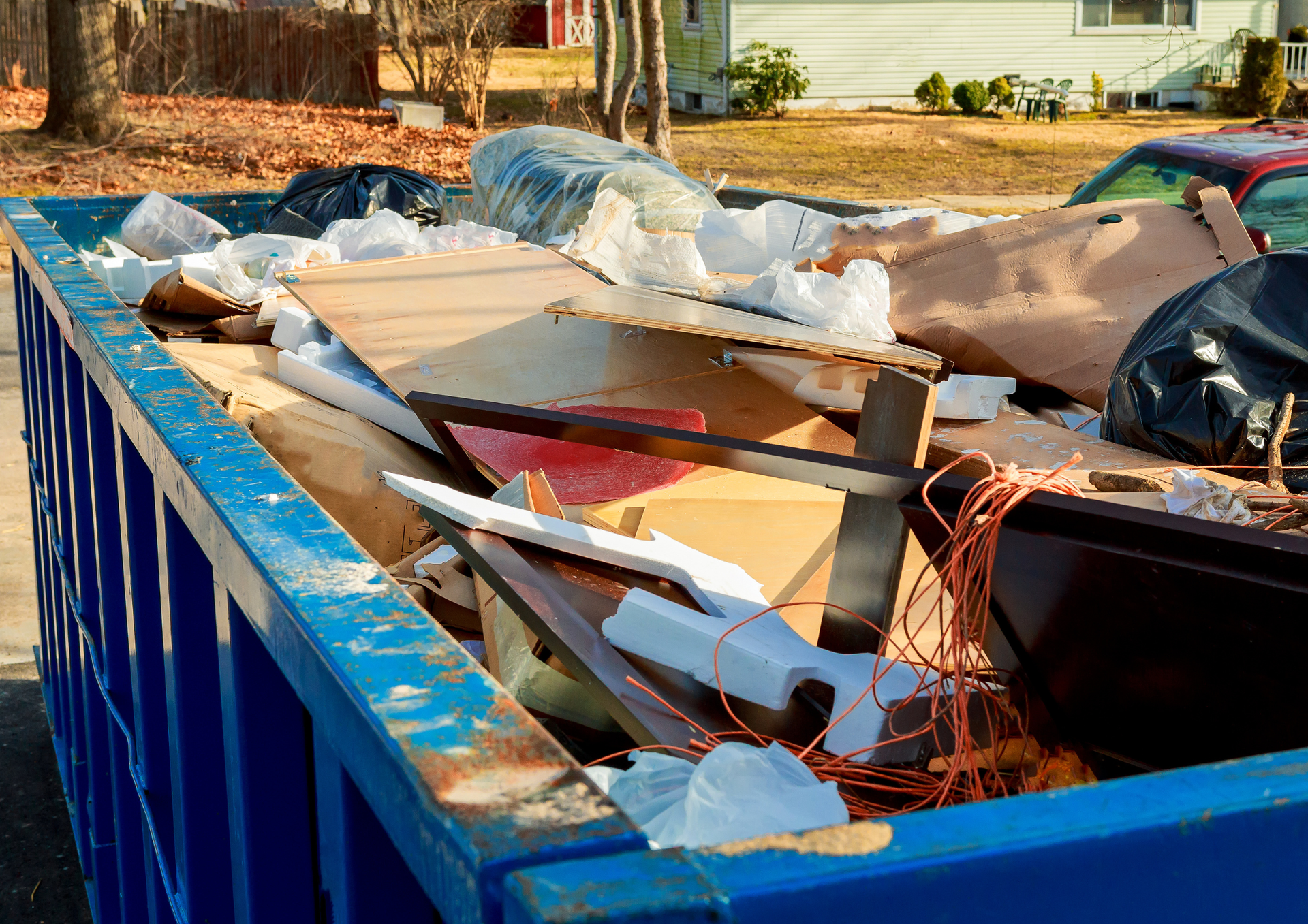
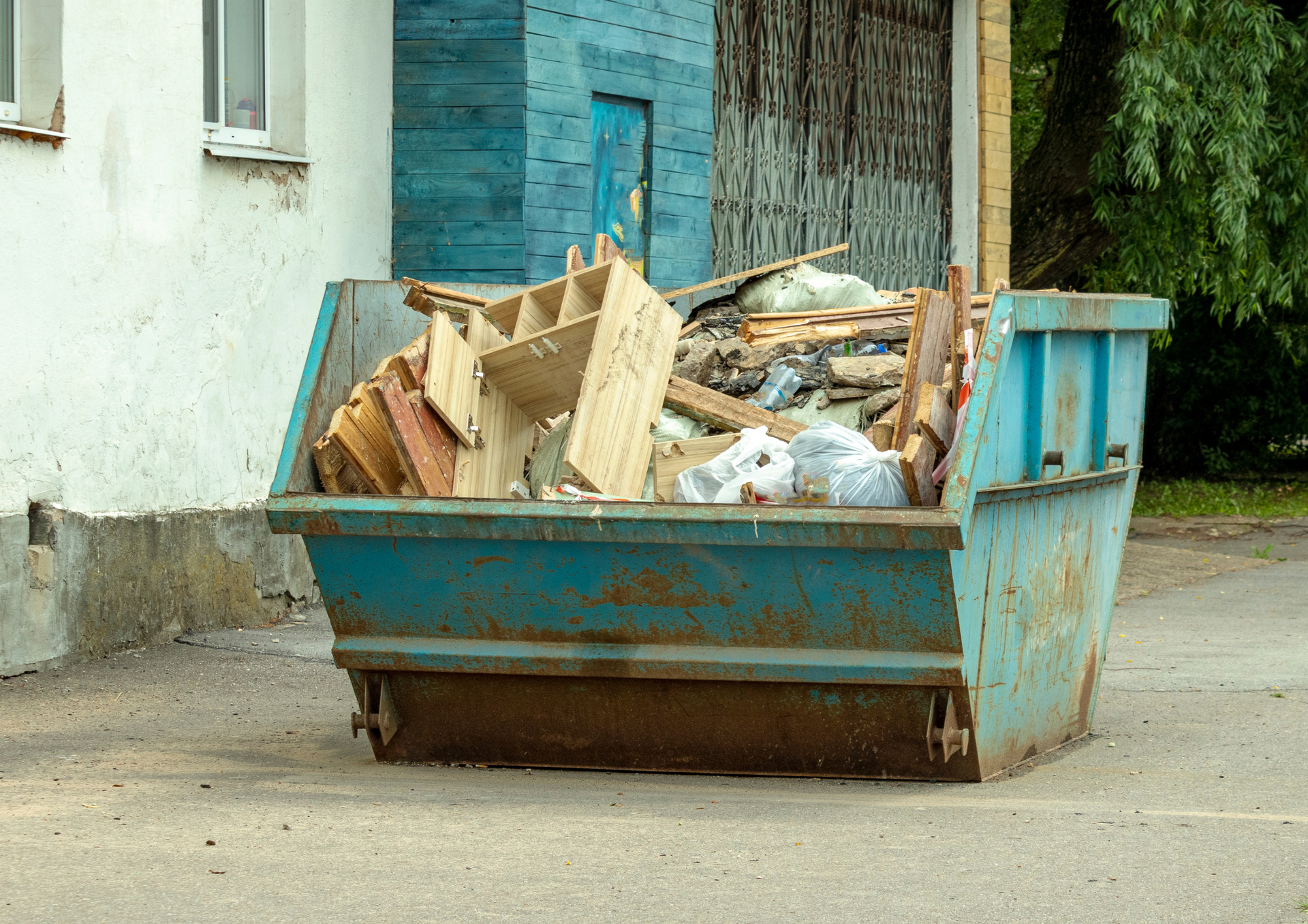
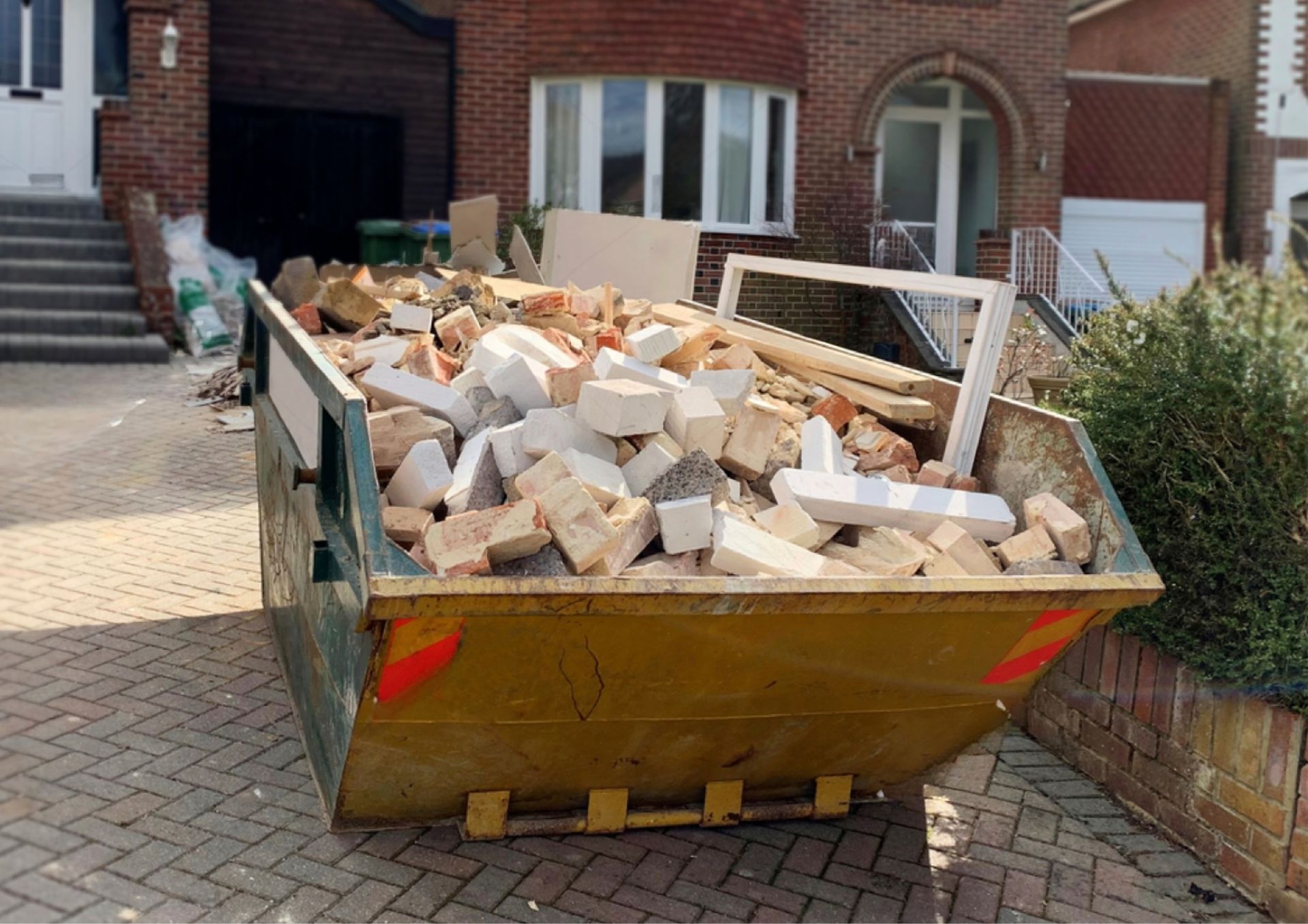
Using skips to contain waste materials helps maintain cleaner surroundings, improves movement around the site, and supports better organisation throughout the project. Weather conditions can further complicate renovation waste management. Wind and rainfall may spread lightweight debris around neighbouring areas if materials are not properly contained. Covered storage arrangements and regular waste removal can help minimise unnecessary mess while protecting surrounding outdoor spaces from scattered materials.
Professionals responsible for larger refurbishments often monitor a skip's loading carefully to ensure materials remain stable and evenly distributed during use. Proper loading practices also help maximise available space while keeping the surrounding area tidier throughout ongoing construction activity.
Long-Term Benefits of Structured Waste Management
Effective waste management provides important practical benefits during roofing projects and property renovations. Organised disposal arrangements help maintain cleaner working areas, improve accessibility, and support smoother project coordination for both residential and commercial properties.
- Improved Project Efficiency
- Helps maintain cleaner and more organised working environments
- Allows tradespeople to move materials more easily around the site
- Reduces interruptions caused by clutter and restricted access
- Supports smoother progress during refurbishment and repair work
- Better Site Organisation
- Helps manage waste more effectively during larger renovation programmes
- Improves visibility and accessibility around active work areas
- Assists surveyors and property managers overseeing multiple contractors
- Supports organised coordination throughout different stages of the project
- Practical Waste Removal Support
- Simplifies disposal of bulky roofing and renovation materials
- Reduces the need for repeated disposal journeys
- Helps contain large volumes of debris in one designated area
- Particularly useful during loft clearances, garage refurbishments, and roof replacement projects
- Long-Term Property Maintenance Benefits
- Supports cleaner conditions during planned maintenance work
- Helps properties remain manageable throughout ongoing refurbishment activity
- Assists with handling waste during emergency repair situations
- Encourages more structured and efficient renovation planning overall
Skip Hire Blackburn provides practical waste management support for homeowners, landlords, surveyors, local authorities, and commercial property managers handling renovation and roofing projects. We focus on straightforward service, organised delivery arrangements, and dependable collection scheduling designed to suit a wide range of refurbishment requirements.
Our website is designed to help customers access clear information without unnecessary complication. From understanding waste types to choosing suitable skips for different projects, we aim to provide helpful guidance that supports efficient planning for both residential and commercial work.
We understand that every project operates differently depending on access, material volumes, and renovation timelines. Our approach focuses on providing reliable support that helps customers manage roofing debris, refurbishment waste, and construction materials in a practical and organised manner throughout the duration of the project.
Just out on X:
Professional skips for construction and roofing debris removal.
You might also like