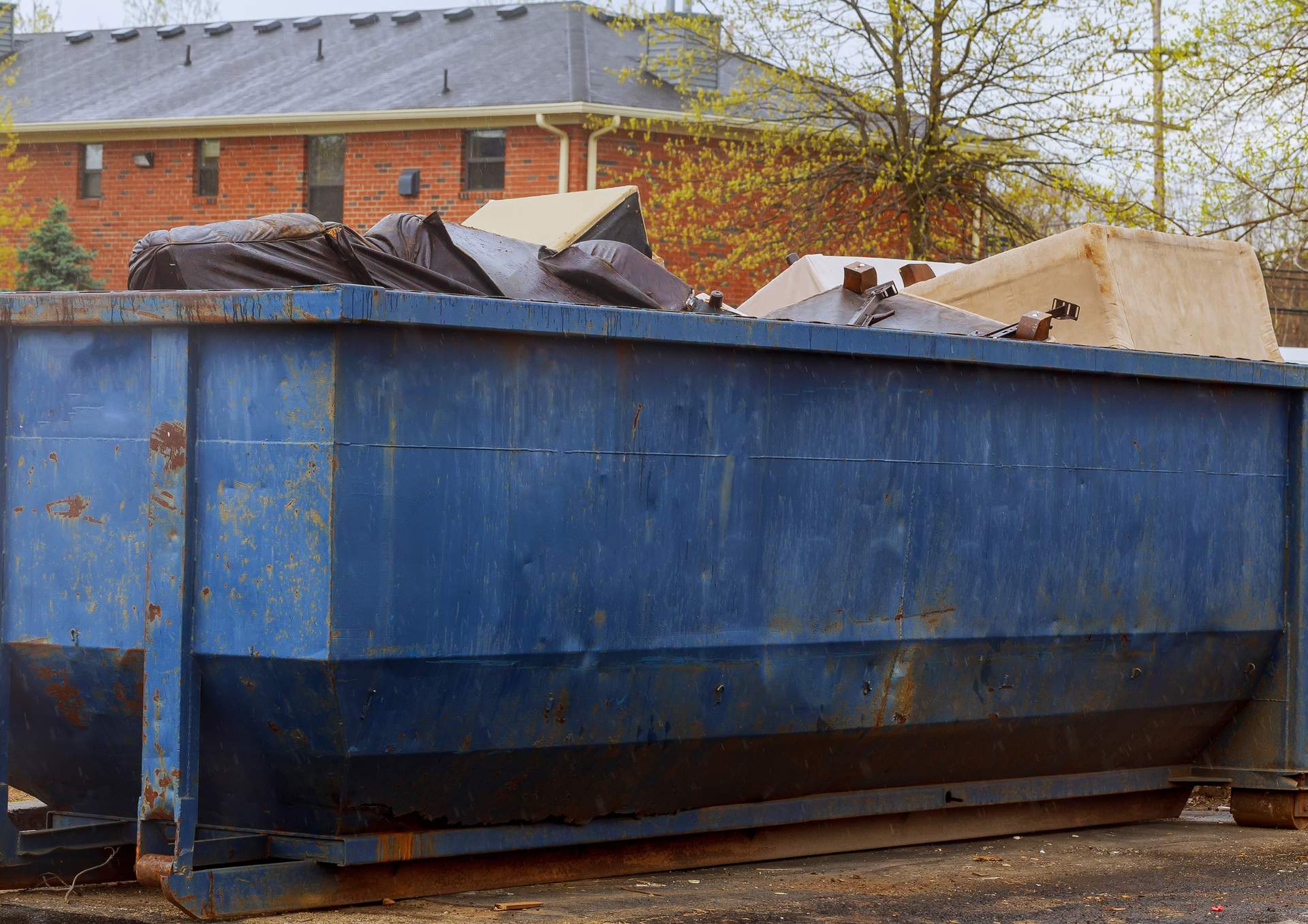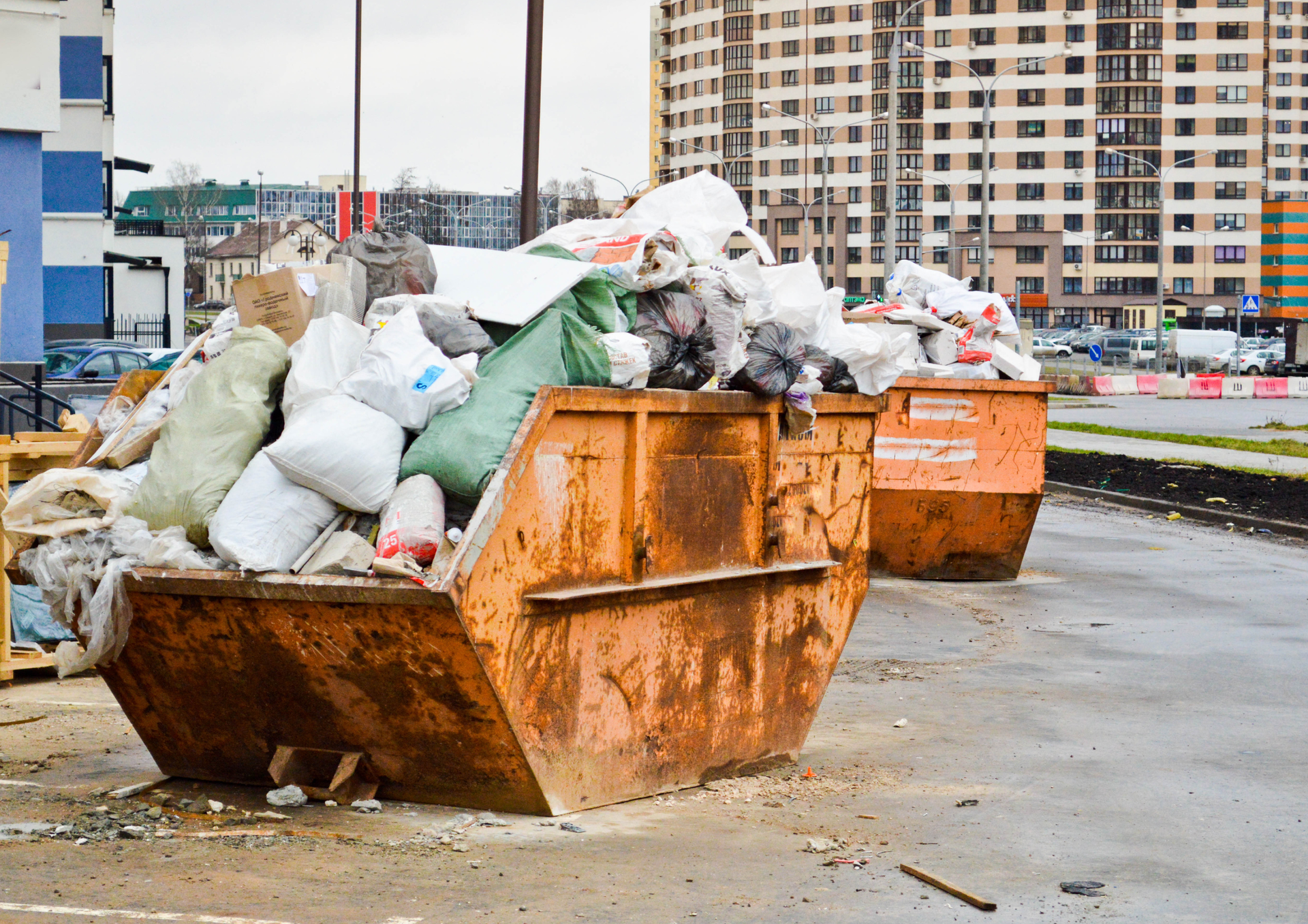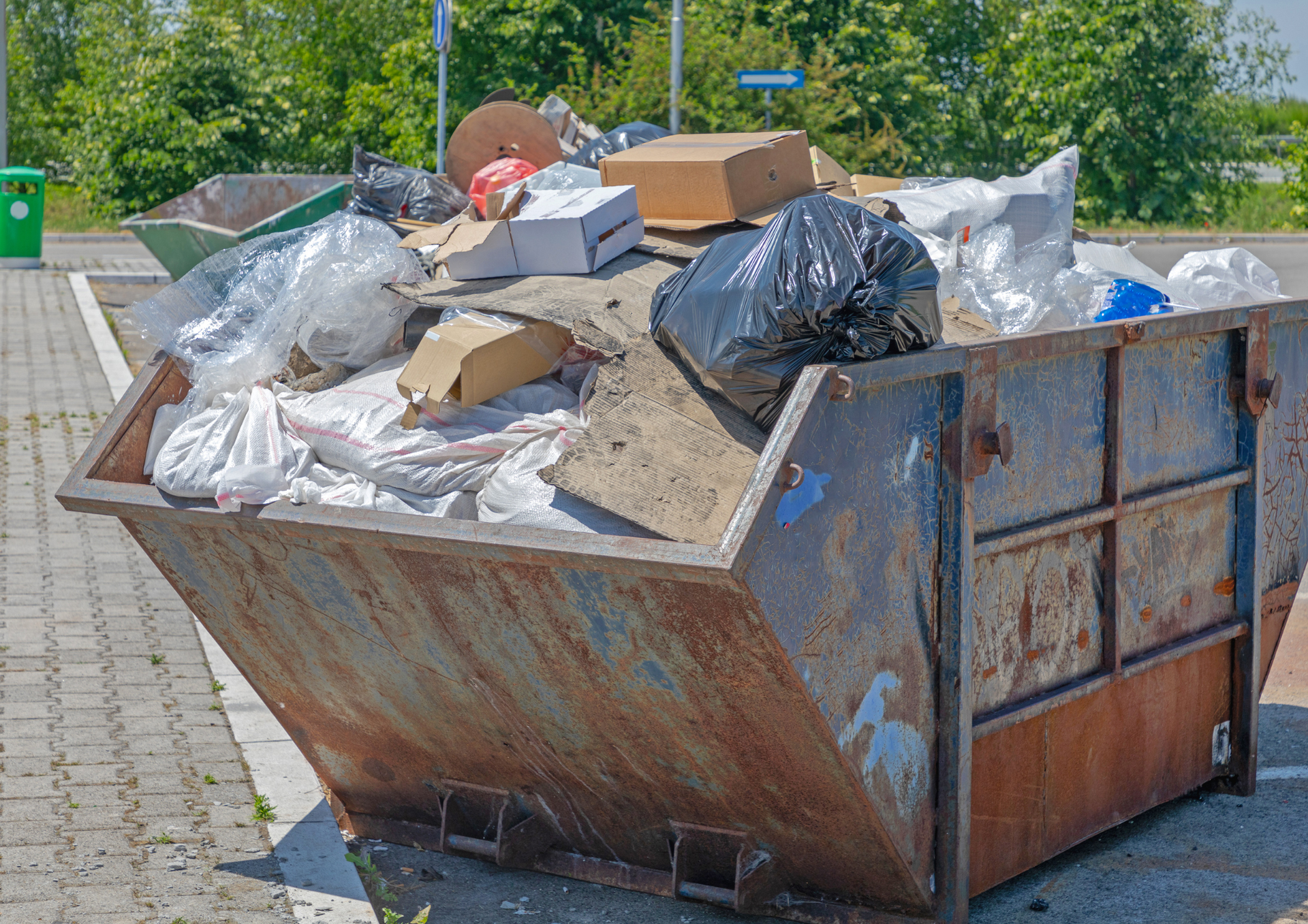

Skip Hire Services for Schools and Community Projects Made Simple
Schools and community projects play an important role in improving local neighbourhoods, creating better learning environments, and bringing people together for worthwhile causes. Whether a school is modernising classrooms, clearing outdoor spaces, improving sports facilities, or preparing for new construction work, arranging skip hire helps keep waste organised and allows every stage of the project to run more efficiently. Community organisations face similar challenges when carrying out refurbishment work, organising volunteer initiatives, or maintaining shared public spaces, making effective waste management an essential part of successful project planning.
Managing waste properly is about more than simply removing unwanted materials. Careful planning helps keep work areas tidy, reduces unnecessary disruption, and allows volunteers, contractors, staff, and visitors to move around safely throughout the project. Having a dedicated place to dispose of waste also encourages better organisation, making it easier to separate recyclable materials from general waste wherever possible.
Many different groups benefit from professional waste collection, including homeowners supporting local initiatives, landlords improving residential buildings, surveyors overseeing property developments, local authorities maintaining public facilities, and organisations responsible for both residential and commercial properties. Every project, regardless of size, generates waste that requires careful handling to keep progress moving smoothly.
Planning Waste Management Before Work Begins
Schools frequently carry out improvements during holiday periods to minimise disruption to pupils and teaching staff. Classrooms may be redecorated, flooring replaced, furniture upgraded, or storage areas reorganised, all of which can generate considerable amounts of waste. Arranging skip hire provides a convenient way to manage these materials while keeping the site organised. Outdoor improvements such as playground maintenance, fencing repairs, garden developments, and sports pitch enhancements can also produce significant quantities of waste over a relatively short period, making effective waste management an important part of the project.
ng, maintenance, or construction work starts, it is helpful to estimate how much waste is likely to be produced throughout the project. This simple planning stage makes it easier to choose suitable waste collection arrangements while avoiding unnecessary interruptions later.
Community projects are equally varied. Volunteers may organise neighbourhood clean-up events, restore village halls, improve local parks, renovate community centres, or clear overgrown public spaces. Each activity creates different types of waste that should be managed responsibly from the beginning.
Clear access routes should always be considered before work starts. Delivery vehicles, contractors, volunteers, and members of the public all need sufficient space to work safely. Positioning waste containers carefully helps maintain access while reducing unnecessary movement of debris around the site.
Planning also allows project organisers to identify which materials may be suitable for recycling. Timber, metal, cardboard, bricks, soil, and certain plastics can often be separated more effectively when waste management has been considered in advance rather than treated as an afterthought.
Communication remains another important part of successful planning. Everyone involved should understand where waste should be placed, which materials require separate disposal, and how work areas should be kept tidy throughout each stage of the project. Simple guidance encourages consistency while reducing confusion among larger groups of volunteers or contractors.
For projects involving multiple phases, reviewing waste levels regularly allows arrangements to be adjusted if necessary. This flexible approach helps maintain productivity while preventing waste from accumulating faster than it can be removed.
The surrounding environment should also be taken into account. Schools and community buildings often remain partially operational during improvement works, making cleanliness particularly important. Well-managed waste collection helps minimise disruption while creating a more organised working environment for everyone involved.
Choosing the Right Skip for Different Project Sizes
Choosing the right skip size is one of the most important parts of planning any school or community project. The amount and type of waste generated will vary depending on the scope of the work, so selecting an appropriate skip helps keep the site organised, supports efficient waste removal, and allows the project to progress with fewer interruptions.
- Small Projects – 4 Yard Skip
- Suitable for classroom redecorations, office clear-outs, and minor maintenance work.
- Ideal for disposing of timber offcuts, old furniture, packaging, and general refurbishment waste.
- Compact size makes it practical where space is limited while still providing useful capacity.
- Medium Projects – 6 Yard Skip
- Well suited to medium-sized renovations and landscaping projects.
- Commonly used for replacing flooring, removing fitted units, upgrading facilities, and outdoor improvement works.
- Provides additional capacity to reduce the need for frequent waste collections.
- Large Projects – 8 Yard Skip
- A practical choice for extensive school refurbishments and community centre improvements.
- Offers ample space for bulky mixed waste produced during ongoing renovation or construction activities.
- Helps maintain a tidy site throughout larger projects.
- Major Developments – 12 Yard Skip
- Suitable for substantial building projects and extensive external improvement works.
- Designed to accommodate larger volumes of lighter bulky waste.
- Supports efficient waste management during long-term development programmes.
- Choose the Right Capacity
- Selecting the correct skip size is about more than volume.
- A suitably sized skip improves site organisation, prevents overfilling, and helps work continue efficiently from start to finish.
- Separate Different Waste Types
- Materials such as timber, metal, plasterboard, green waste, rubble, and mixed construction waste may require separate disposal.
- Organising waste correctly supports responsible recycling and appropriate waste handling.
- Review Waste Throughout the Project
- Monitor waste levels regularly as work progresses.
- Different stages of a project often generate varying amounts of waste, so reviewing requirements helps maintain efficiency.
- Keep the Site Clean and Organised
- Even smaller projects benefit from structured waste management.
- Tidy working areas improve accessibility, create a more professional appearance, and allow contractors and volunteers to focus on completing the project safely and efficiently.
Supporting Safe and Organised School and Community Projects
A well-managed project is about more than completing work on time. Maintaining clean and organised surroundings helps create a safer environment for everyone using the site, whether they are contractors, volunteers, teachers, pupils, visitors, or members of the public. Good housekeeping throughout every stage of a project reduces unnecessary obstacles and allows work to progress more efficiently.
Construction materials, broken furniture, packaging, timber, old fixtures, and landscaping debris can quickly accumulate if there is no structured approach to waste disposal. Rather than allowing unwanted materials to build up around the working area, having a dedicated collection point encourages everyone involved to dispose of waste responsibly as tasks are completed.
Schools often have multiple activities taking place at the same time. While one part of a building may be undergoing refurbishment, another area may continue operating normally. Careful waste management helps reduce disruption by keeping walkways, entrances, delivery routes, and outdoor areas as clear as possible throughout the project.
Community projects benefit in much the same way. Village halls, sports clubs, churches, community centres, libraries, and recreational facilities frequently rely on volunteers working together over several days or weeks. Organised waste collection allows volunteers to spend more time improving the facility and less time dealing with scattered rubbish or arranging repeated journeys to disposal sites.
Large clear-outs are another common reason for arranging waste collection. Schools regularly replace outdated furniture, classroom equipment, shelving, storage units, display boards, and teaching materials as facilities evolve. Community organisations also refresh meeting rooms, kitchens, offices, and activity spaces to better meet the needs of local residents.
External improvements create additional waste that should be managed efficiently. Tree pruning, hedge trimming, fence replacement, pathway repairs, playground upgrades, and landscaping work all generate bulky materials that require practical disposal throughout the project.
Surveyors overseeing improvement works also benefit from organised sites. Clear working areas make inspections more straightforward by allowing easier access to buildings, structural features, utilities, and external spaces. This helps assessments take place efficiently while reducing unnecessary delays.
Landlords carrying out improvements to residential and commercial properties can also apply the same principles. Whether preparing accommodation for new occupants, modernising communal areas, or improving external spaces, organised waste management supports smoother refurbishment work from beginning to end.
Local authorities often coordinate projects involving schools, housing developments, parks, highways, public buildings, and recreational facilities. Reliable waste collection supports these programmes by helping maintain clean environments while allowing improvement works to continue with minimal interruption.
Regardless of the project size, maintaining an organised site demonstrates good planning and helps create a positive impression for everyone visiting or working within the area.
Environmental Responsibility and Long-Term Benefits
Responsible waste management extends beyond simply removing unwanted materials. Careful planning and organised disposal practices help schools, community organisations, homeowners, landlords, surveyors, and local authorities complete projects efficiently while encouraging environmentally responsible waste handling.
- Encourage Responsible Waste Disposal
- Planning waste management from the outset supports more sustainable handling of unwanted materials.
- Organised disposal helps reduce unnecessary waste and promotes responsible resource management throughout the project.
- Separate Recyclable Materials
- Many refurbishment and maintenance projects generate recyclable materials alongside general waste.
- Metal, wood, cardboard, bricks, concrete, and certain plastics can often be separated where appropriate to reduce landfill.
- Promote Environmental Awareness
- School improvement projects provide valuable opportunities to encourage environmental responsibility among pupils.
- Community initiatives also demonstrate the importance of keeping shared spaces clean and maintaining good waste management practices.
- Support Efficient Project Progress
- Regular waste collection prevents materials from accumulating around the site.
- Keeping working areas clear allows contractors and volunteers to continue their tasks with fewer interruptions and improved accessibility.
- Maintain Cleaner Residential and Commercial Properties
- Organised waste disposal helps keep refurbishment sites, landscaping projects, maintenance works, and redevelopment programmes tidy.
- Cleaner surroundings contribute to a more professional and well-managed working environment.
- Plan Ahead for Better Results
- Estimating waste volumes before work begins allows collections to be arranged at appropriate stages.
- Reviewing waste requirements throughout the project helps minimise avoidable delays and supports smooth progress.
- Make Better Use of Available Space
- Schools, community centres, and public buildings often have limited outdoor areas.
- Keeping waste contained in one location improves access routes, reduces clutter, and helps maintain an organised site.
- Prepare for Project Completion
- Efficient waste removal makes final cleaning, inspections, decorating, landscaping, and finishing work much easier.
- The completed project is left clean, welcoming, and ready for pupils, staff, volunteers, residents, or visitors.
- Create Long-Term Community Benefits
- Thoughtful planning, responsible waste disposal, and organised working practices contribute to successful projects that improve local facilities and create lasting benefits for the wider community.
Skip Hire Blackburn is committed to providing dependable waste management solutions that support projects of every size. We understand that every school, community organisation, homeowner, landlord, surveyor, business, and local authority has different requirements, which is why we focus on reliable deliveries, prompt collections, and straightforward service throughout every project.
Our team works with customers planning everything from small property improvements to larger refurbishment programmes across residential and commercial properties. We provide reliable skip hire solutions that make waste management simple, helping projects remain organised while encouraging responsible disposal practices that support cleaner environments.
With a range of practical waste solutions and a customer-focused approach, we provide dependable support that helps projects progress efficiently from the initial planning stages through to successful completion.
Check out our latest X update on how
skip hire services make waste management simple for schools and community projects! 🚛♻️
You might also like